The Silence Was the Signal: Inside Venezuela’s Quiet Succession
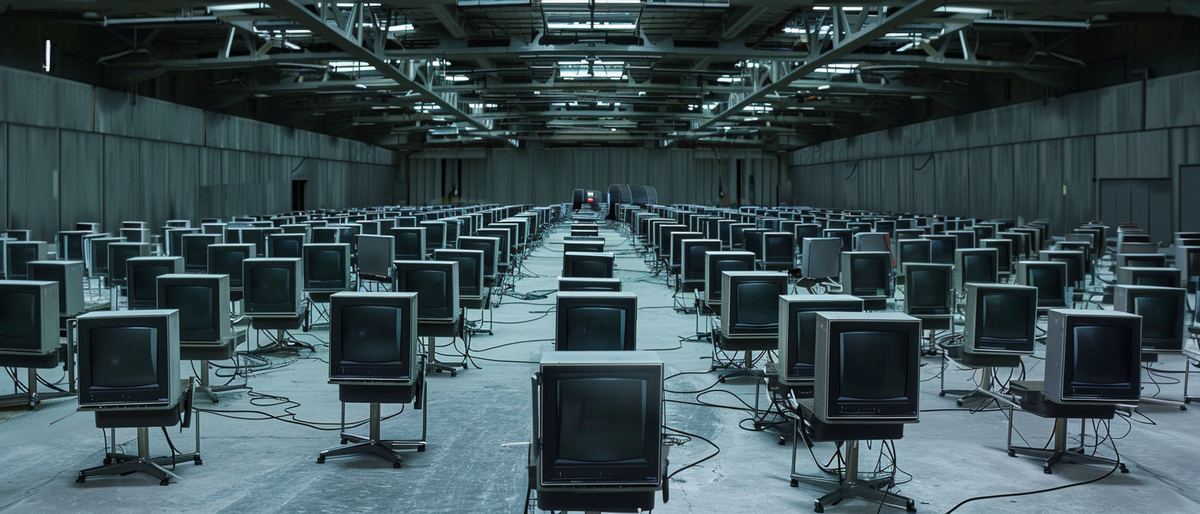
The surveillance state that could track a tweet to a body somehow missed an invasion. That wasn't a failure. That was the tell.
On January 3rd, 2026, American forces captured Nicolás Maduro in a palace that fifteen years of Cuban-trained intelligence should have made impenetrable. The radars that tracked every dissident, the informants who reported every whisper, the system that arrested people for buying bread near a protest, all of it went silent at the precise moment it mattered most.
This investigation uses formal evidence analysis to ask the question no one in Washington wants answered: What if the silence was the signal?
The data points away from regime collapse and toward something more disturbing, coordinated betrayal from within, possibly blessed by Moscow in exchange for concessions on Ukraine. A theory first floated by Fiona Hill in her 2019 impeachment testimony. Seven years later, here we are.
The woman who controlled SEBIN, Venezuela's secret police, is now president. The officials who tortured dissidents in the spiral of El Helicoide walk free. The opposition that won the election remains outside. And the oil flows north.
Not a liberation. A transaction.
A story about what surveillance states know, when they know it, and what it means when they choose not to see.
available on GitHub
Leer en español →
© 2026 August Holloway / Dead Letter Publishing. All rights reserved. No part of this work may be reproduced, distributed, or transmitted in any form without prior written permission.